Counsel · Keynotes · Writing
The smallest acts.
The biggest changes.
Most stuck problems share a structure: someone is standing on ground that isn't real.
An assumption.
A prediction.
An interpretation mistaken for fact.
My work is asking the questions that dissolve the false ground, so the impossible problem can open.
Speaking
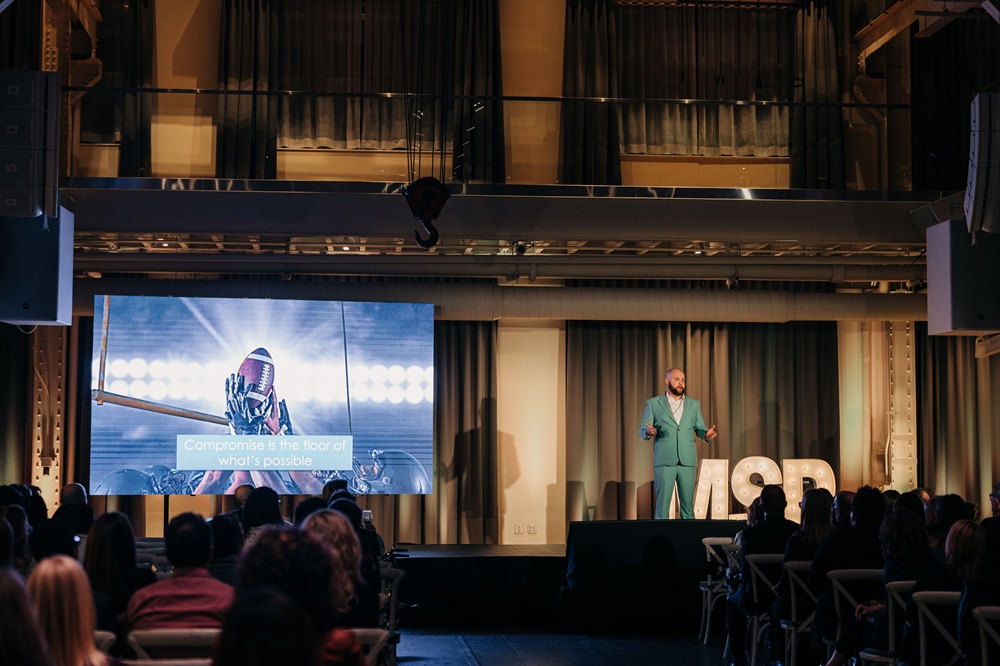
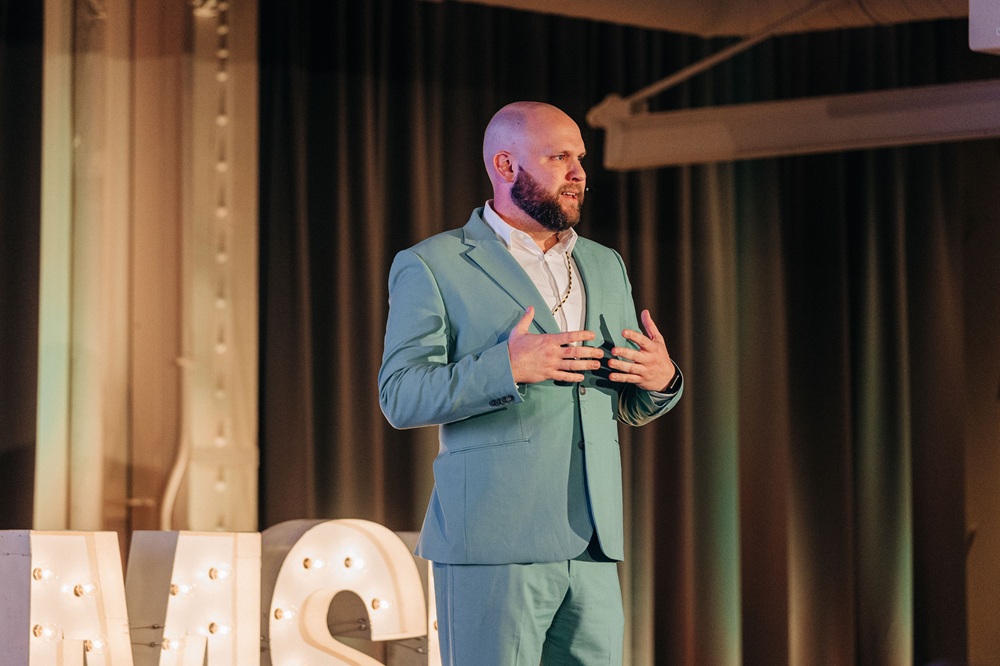
Talks that hand the room a better question
Keynotes and workshops on conflict, change, impact, and psychological safety — built from real rooms, not slideware.
See topics →Counsel
A trusted outside mind, on retainer
Confidential thinking partnership for leaders facing decisions where every option seems wrong.
How it works →Writing
Two books, one philosophy
The science of getting unstuck, and the little things it's all built from. Both in progress.
Read more →The idea underneath all of it
Everything can also be different.
Alfred Adler wrote that a century ago, and modern science keeps proving him right. Your brain doesn't record reality — it constructs it, prediction by prediction, from the smallest signals upward. Which means the version of the problem you're stuck inside is a construction too. Built things can be built differently.
That's the whole practice. I don't hand leaders answers. I ask the questions that reveal which part of the ground they're standing on was never really there — and what becomes possible from the ground that is.
Framework
The Origin of Impact
Every decision you make gets tested by the people it lands on — whether you invite the test or not. Three questions decide how it lands.
Impact originates where all three meet. When one circle is missing, what lands is friction — and the friction tells you which one.
"The training series Steve developed for our group was simply amazing. It was one of the very best trainings I've participated in with real, tangible outcomes that I've already put into practice."Program participant, leadership training series
Bring a problem that won't move.
A conversation costs nothing, and the first question is usually free anyway.
Speaking
Talks that hand the room a better question.
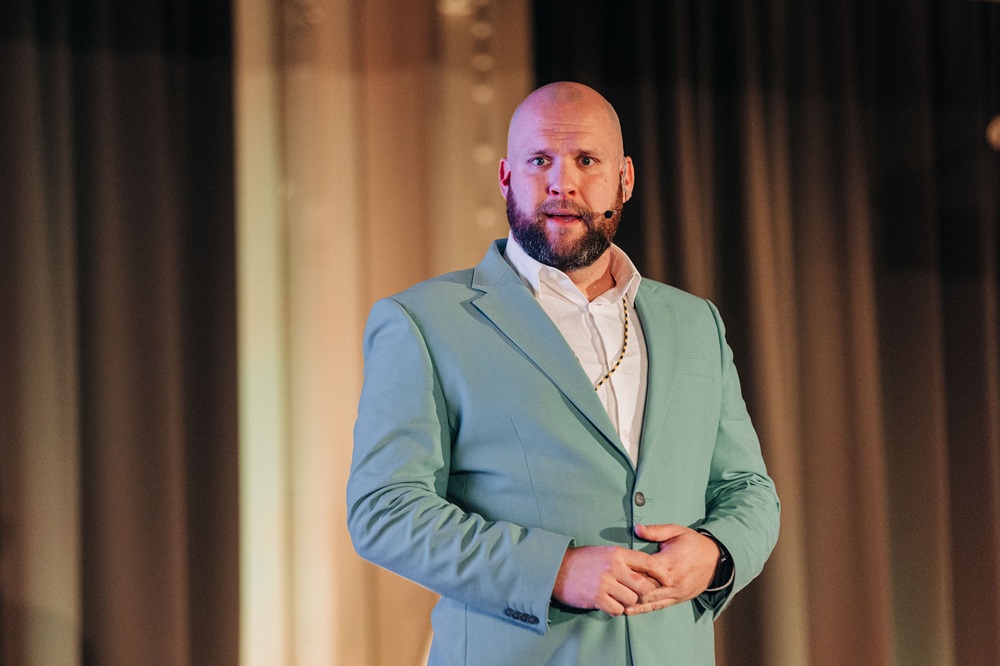
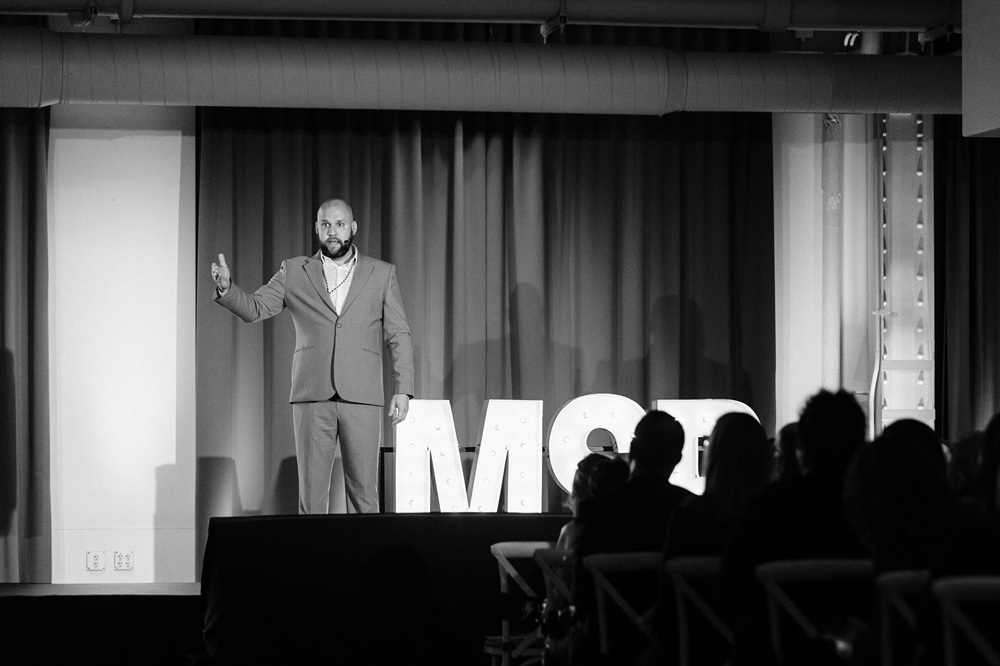
I've spent more than a decade in rooms where the conflict was real, the stakes were personal, and inspiration wasn't the assignment. What audiences leave with is sturdier than a feeling — a way of seeing what's actually happening in their hardest conversations, and one or two questions that keep working on Monday.
Watch
Listen first, then ask questions
Signature topics
Every talk starts with a question the room is already asking.
Collaborating Through Conflict
- Why conflict can be healthy — and even healing — when the threat comes out of it
- How to invite disagreement without inviting damage
- Sidestepping the zero-sum trap that makes smart groups solve problems badly
The Ripple Effect: Harnessing Your Impact
- The Origin of Impact model: clear expectations, reasonable expectations, and a just response — impact lives where they meet
- Self-awareness as a practice rather than a trait
- Why curiosity outperforms certainty in nearly every leadership moment
Supporting Transition While Managing Change
- Change is the event; transition is what happens inside people — leaders who conflate them lose their teams
- The Bridges Model, made usable on an ordinary Tuesday
- Anticipating the human ripple of your decisions before you make them
Fostering Psychological Safety
- What psychological safety is — and the comfortable things it isn't
- Practical moves that make honesty cheaper than silence
- Recognizing the small behaviors that quietly teach a team to stop talking
"Steve was awesome. This topic was so timely for what I'm dealing with as a supervisor right now — I'd already planned a hard conversation with an employee, and having these tools will be invaluable."Workshop participant, supervisor cohort [Named attribution being confirmed — swap in from backfill wave]
Booking for keynotes, workshops, and training series.
Tell me about your room, and I'll tell you honestly whether I'm the right person for it.
Counsel
Every leader needs a place to think out loud.
A trusted outside mind whose purpose is to keep a leader's thinking clear — working through questions rather than recommendations.
Kings kept counsel. So did generals, abbots, and anyone else whose decisions landed on other people. Somewhere along the way we replaced the role with consultants who arrive holding answers. I work in the older tradition: I arrive holding questions, and the answers that emerge are genuinely yours — which is why they hold.
Who this is for
Leaders holding a problem where every option seems wrong.
The executive whose two best people can't be in the same room. The director staring at a restructure that's right on paper and wrong in her gut. The public leader navigating a polarized moment where any statement costs something. What these have in common: the stuckness isn't a lack of information. It's ground that isn't real — an assumption running as fact, a prediction running as the future.
Counsel is confidential, ongoing, and built for exactly these moments. You bring the problem. I bring the questions that find the false ground. What opens from there tends to surprise us both.
How it works
Standing retainer
A set rhythm of sessions plus between-session access. For leaders whose decisions don't wait for the next scheduled meeting. This is the core of the practice.
By the hour
Single sessions for a single stuck problem. Sometimes one conversation is what it takes.
What sessions produce
Clarity on what's actually happening, a decision you can stand behind, and — over time — a sturdier way of thinking that needs me less. That last part is on purpose.
Confidentiality
Absolute. The room where you think out loud has to be safe, or it's useless.
"The insights, ideas, and strategies he shares help us all become better leaders."Leadership client [Named attribution being confirmed — swap in from backfill wave]
Writing
Two books, one philosophy.
Everything I write grows from a single root: reality is constructed from the smallest things upward — and because it's constructed, it can be constructed differently. One book teaches the method. The other lives the way of being underneath it.
The Science of Getting Unstuck
For executives and the people who work with themThe applied book: how stuck problems actually work, why the ground under them is usually a prediction wearing a fact's clothing, and the questioning method that dissolves it. The tools are real, and the book is honest about the catch — they only work as well as the heart behind them is aligned with their purpose.
The Little Things Are the Big Things
A book of fragmentsThe way-of-being book. Each fragment begins in a specific lived moment — a chess game going wrong, a boulder gathering momentum, a sentence said in a kitchen — and reasons its way to a recognition. Small pieces, read slowly, about how the smallest things build everything.
The Question Underneath
Essays and fragments, published as they arrive on Substack — the smallest things, followed until they open into the big ones. First word on both books when they're ready. No noise in between.
Essays & fragments
Where the thinking happens first.
Both books are being built from fragments — moments that wouldn't leave me alone until I followed them somewhere. That work continues in public, one piece at a time. A chess game going wrong. A boulder gathering momentum. A sentence said in a kitchen that turned out to be about everything.
If you want the philosophy before it's bound between covers, it's there.
About
Most of my work begins the same way.
A leader. A problem where every option seems wrong. And a question neither of us has asked yet.
I've sat in that opening moment more than a thousand times over the past decade — with hospital divisions and state agencies, universities and corporate teams, executives and the people caught in their decisions. The problems change. The structure underneath them rarely does: somewhere in the story, an interpretation is being mistaken for a fact, and the whole strategy is standing on it.
I call myself a professional question-asker because it's the most accurate title I've found. My training is in Adlerian counseling — a tradition built on the idea that people make sense, even when their behavior doesn't seem to — and my method draws on the modern science of how brains construct emotion, stress, and reality itself. You won't hear the jargon in the room. You'll feel what it does.
Underneath the method sits a conviction the science keeps confirming: the vast majority of people want to feel good about their abilities and their contributions. So when someone's behavior turns troubling, it's almost always a good intention that got thwarted — a person coping with a threat to their significance, their security, or their belonging. Once you see that, curiosity becomes possible where coercion used to feel necessary. That shift, multiplied across a leadership team, changes an organization from the smallest interactions upward.
Contact
Bring the problem that won't move.
Whether it's a keynote, a counsel relationship, or a stuck situation you can't quite name yet — the first conversation is thirty minutes, costs nothing, and I promise to ask at least one question you haven't been asked before.